


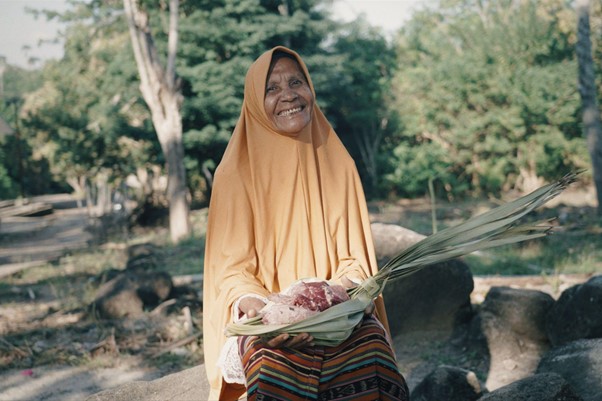
EAST FLORES, EAST NUSA TENGGARA — Amidst the solemn celebrations of Eid al-Adha 1446 Hijri, there are real stories that touch the heart about the meaning of sharing that goes beyond mere ritual. One such story is that of Rahmi Syofia, or Mimi Campervan Girl, a traveler and social activist who never tires of seeking out and spreading kindness. For the second time, Mimi volunteered to participate in the distribution of Tebar Hewan Kurban (THK) 2025 with Dompet Dhuafa.
This time, Mimi’s journey took her to the remote areas of East Flores Regency, East Nusa Tenggara (NTT), after experiencing the atmosphere of sharing firsthand on Kei Island, Maluku, last year. Before embarking on her adventure, Mimi took the initiative to encourage her social media followers to contribute to the sacrifice. A simple call to action, yet its impact was extraordinary, inspiring many people to join in spreading the benefits of the sacrifice even to the 3T regions (remote, outer, and deepest) of Indonesia.
Read also: Qurban for Palestine: Efforts to Bring Hope Amidst a Famine Emergency
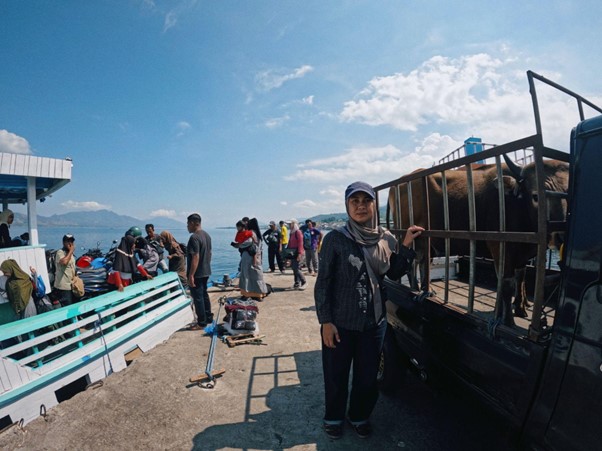
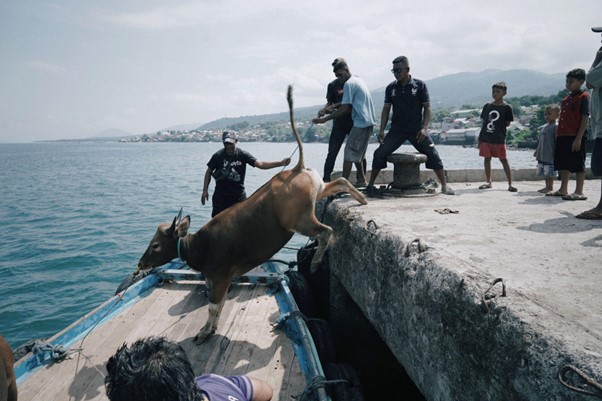
By the first day of Tasyrik, Saturday (June 7, 2025) afternoon, Mimi arrived at the second distribution site, Kiwang Ebang Village, East Solor Island. Earlier that morning, she had already distributed sacrificial animals to the survivors of the eruption of Mount Lewotobi Laki-laki in Boru Village, Wulanggitang District, East Flores Regency. The journey was not easy.
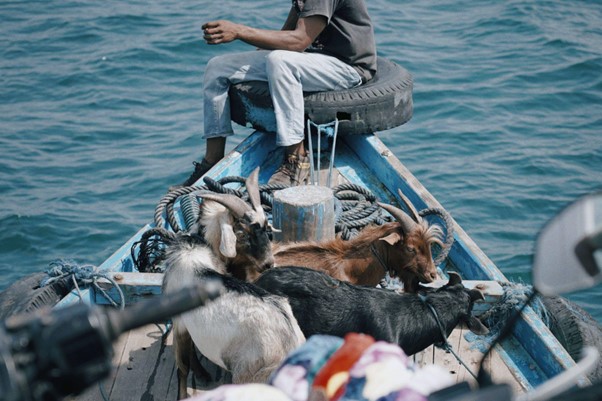
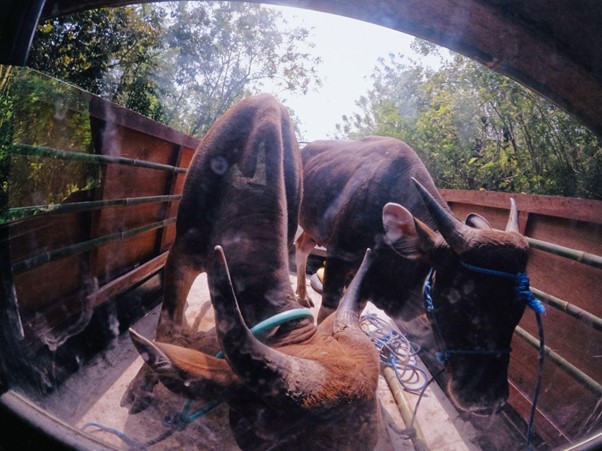
From Wulanggitang, it took about two hours by land to reach Larantuka, followed by a one-hour boat ride to Adonara. After that, it took another hour by land to reach the pier, and then another hour by boat to transport the sacrificial animals to Solor Island.
Upon arriving in Kiwang Ebang Village, an emotional scene greeted Mimi and the Dompet Dhuafa team. The villagers looked united and joyful, waiting with great anticipation. The young students joined in a line, reciting prayers and shalawat, as a sincere expression of gratitude for the THK’s presence in their village.
Read also: Happy Survivors of the Lewotobi Volcano Eruption Receive Qurbani Meat
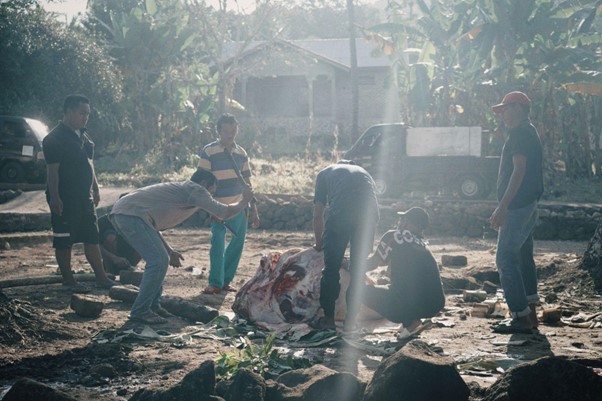
Mimi couldn’t hold back her emotions. Her eyes were filled with tears as she cried and embraced the children warmly. Meanwhile, the men were busy preparing to slaughter the sacrificial animals, while the women joyfully served snacks and prepared the long-awaited sacrificial meat dishes.
The slaughtering process took place solemnly, accompanied by the echoing chants of “Allahu Akbar” from the Quran reciters. It was a ritual celebration they had long awaited, a waiting period to receive the blessings of the sacrifice in their village.
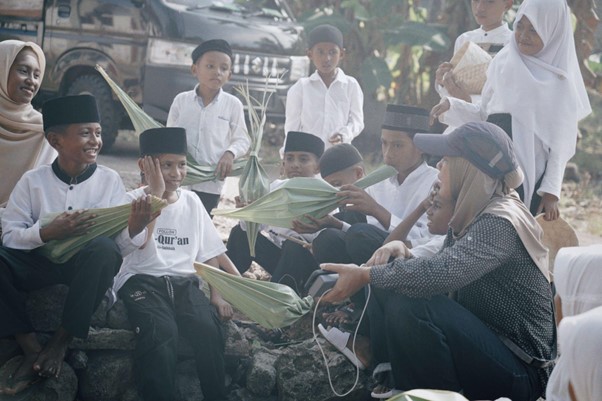
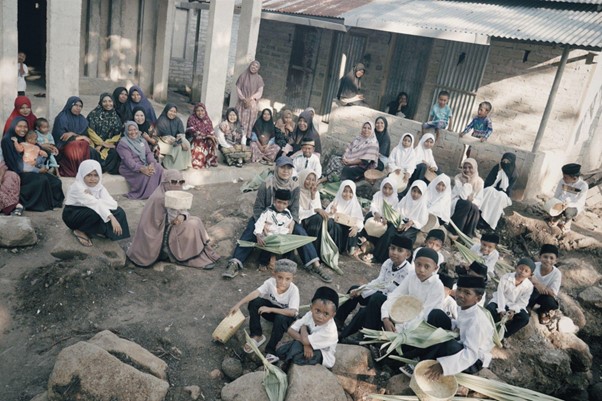
Mimi found more than just an experience on each of her trips. These firsthand experiences were not only about distributing sacrificial meat, but also about learning life lessons.
“I saw the THK process with Dompet Dhuafa firsthand in Maluku last year, and it opened my eyes and taught me something new. When I came here, I felt that they should be the ones receiving, but instead they were giving to us,” explained Mimi.
Mimi Campervan’s spirit of kindness inspired 28 sacrificial donors to join in sharing happiness through Dompet Dhuafa’s THK program. A total of five cows and nine goats were distributed to three villages in East Flores Regency.
“I’ve learned a lot from the people I’ve met on this journey. And actually, I’m currently in the recovery phase after an illness and surgery, but this journey has made me deeply grateful for life and has become a ‘healing’ for myself,” she added, hinting at the profound meaning she feels.
Read also: Celebrating Eid al-Adha 1446 H, Dompet Dhuafa Educates the Elderly on Healthy Qurbani
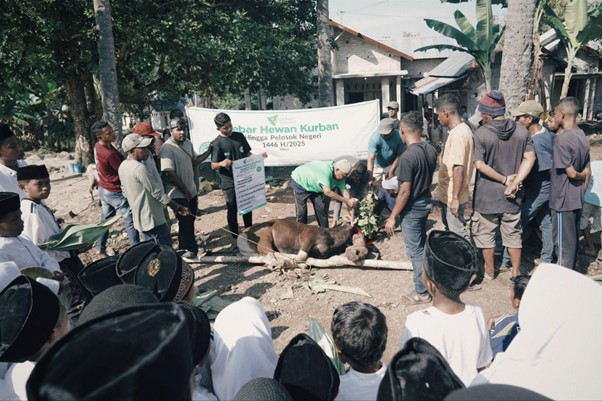
One of the beneficiaries of the THK program there is Mama Ratna (60). With sparkling eyes, she expressed her gratitude upon receiving the sacrificial meat. It had been a year since she last ate meat, a rare blessing for someone who typically subsists on fish, corn chips, or even just rice and water.
Mama Ratna spends her days tending to her bidara fruit garden, but lately, her crops have often been damaged (due to insufficient sun exposure) because of cloudy weather. Additionally, she sells wood she collects from the forest, earning Rp10,000 per day.
“For daily needs, we save our earnings for a few days before we can buy rice. We often have to endure hunger or fast. Yes, it’s nice to have sacrificial meat, even if it’s only once a year,” said Mama Ratna.
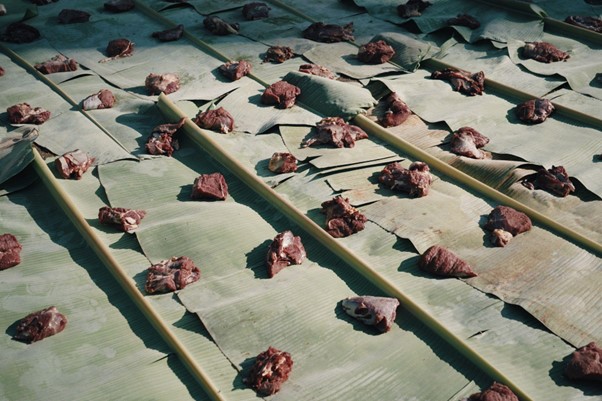
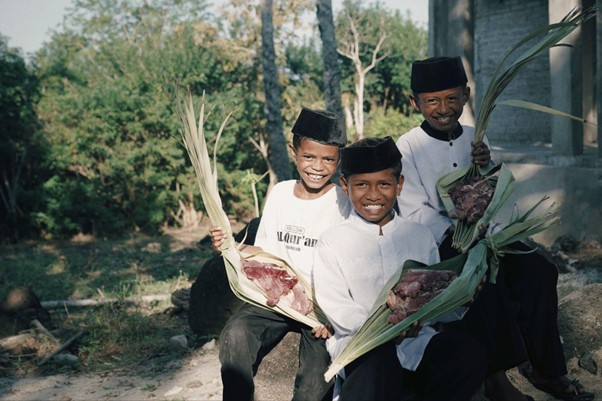
In East Nusa Tenggara, Dompet Dhuafa’s Tebar Hewan Kurban (THK) program this year distributed 128 cows and 50 goats, equivalent to 1,646 doka. These sacrificial animals were distributed across 15 districts, including Kupang City, Kupang District, Belu, North Central Timor (TTU), South Central Timor (TTS), Sikka, Bajawa, Ende, Rote, East Flores, Nagekeo, Manggarai, East Manggarai, and West Manggarai.
This story undoubtedly inspires us all. With a shared hope, let us continue to spread kindness, for your sacrifice is meaningful. Every sacrifice is a hope that blooms in the hearts of those in need. (Dompet Dhuafa)
Text & Photos: Dhika Prabowo
Editor: Dedi Fadlil